


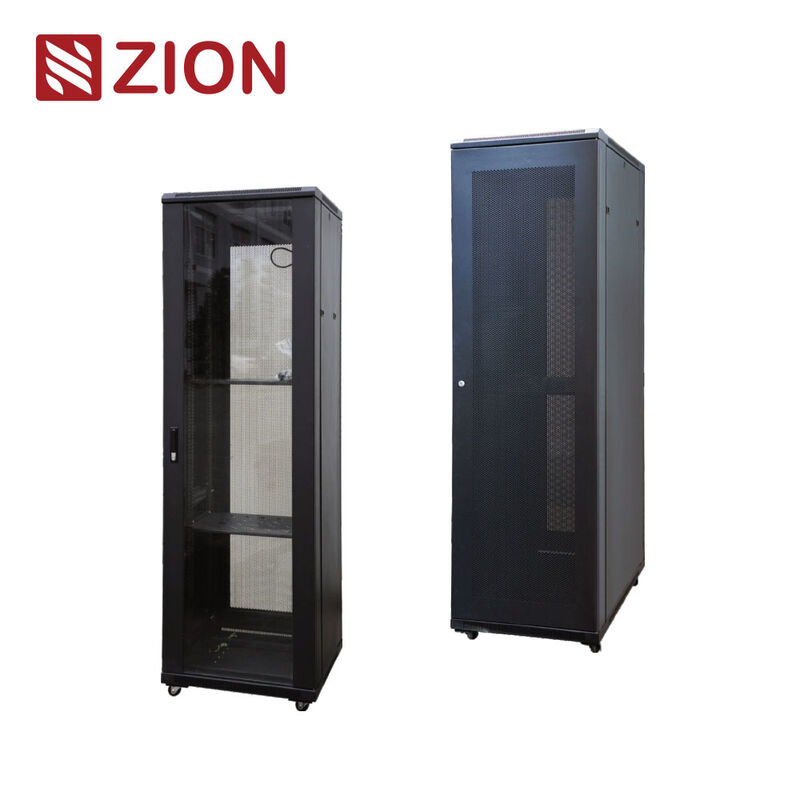



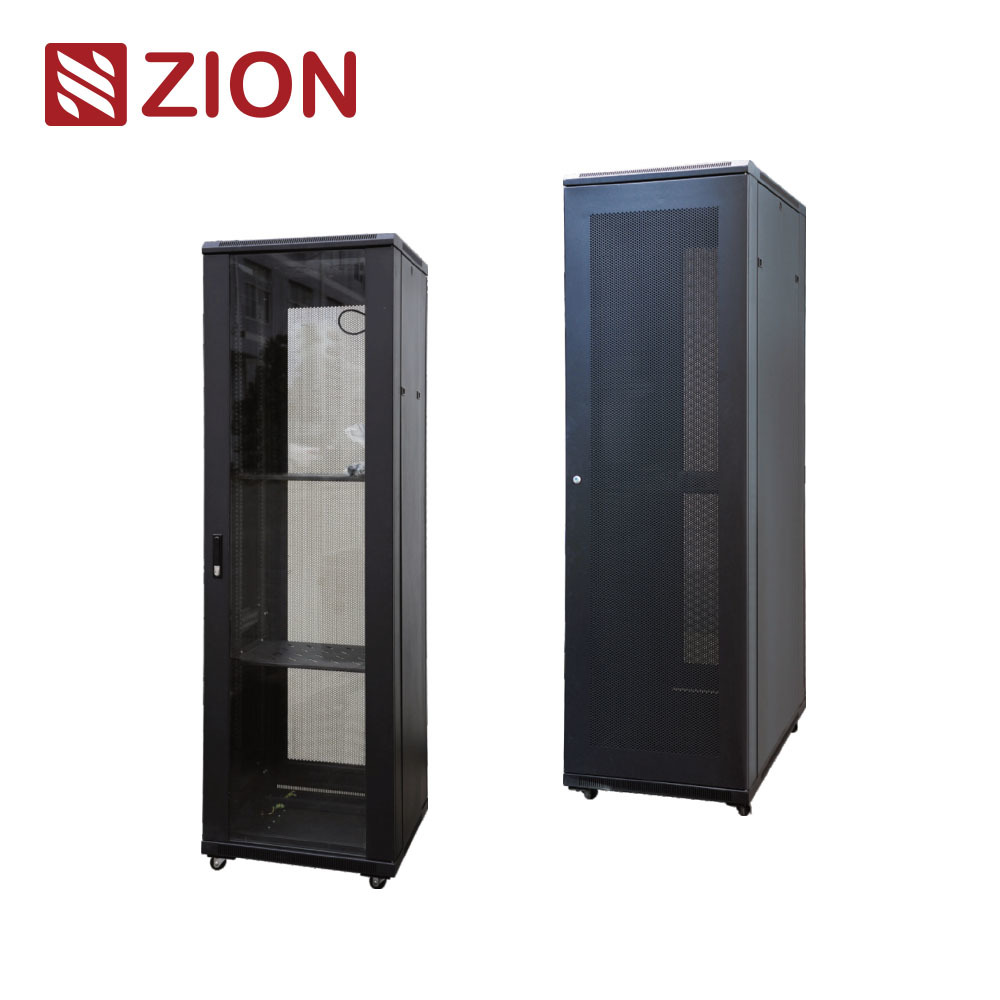
| Menşe yeri: | Çin |
|---|---|
| Marka adı: | Zion communication OR OEM |
| Sertifika: | ISO, CE, RoHS, UL |
| Model numarası: | Ağ Rack Kabinesi |
| Min sipariş miktarı: | 1.000 adet |
| Ambalaj bilgileri: | 1 ADET/Plastik Poşet, ADET/Karton |
| Teslim süresi: | Normalde 10 iş günü |
| Ödeme koşulları: | T/T,L/C |
| Yetenek temini: | 30.000 ADET / Ay |
| Modeli: | Ağ Rack Kabinesi | Bnad: | Zion İletişim |
|---|---|---|---|
| Renk: | Siyah, Gri | Yükleme Kapasitesi: | 60kg |
| Vurgulamak: | 60kg Loading Capacity Smart Network Cabinet,Real-time Power Visibility Intelligent Infrastructure Cabinet,Remote Management ZI Smart Network System |
||
The ZION Intelligent Infrastructure Cabinet System (ZI Series) is positioned as more than a standard cabinet. It works as a smart infrastructure platform built for modern data centers, telecom rooms, smart buildings, and mission-critical network spaces where uptime, visibility, and faster response matter.
Its value comes from integration. Instead of treating power, environmental alarms, cabinet security, and remote access as separate projects, the ZI platform combines them into one manageable node. For engineers, that means fewer blind spots. For procurement and project teams, that means a clearer justification when comparing a smart cabinet against a passive rack plus add-on devices.
The platform is built around five functional layers. Together they support real-time monitoring and centralized control instead of isolated on-site inspection.
| Module | Primary Function | Engineering Value |
|---|---|---|
| Smart Power Distribution (SPDU) | Real-time power monitoring and remote control | Enables outlet visibility, energy tracking, and faster fault isolation |
| Environmental Monitoring | Temperature and humidity detection | Reduces overheating risk and supports early warning workflows |
| Security Monitoring | Door status, intrusion, and smoke alarm linkage | Improves cabinet-level access traceability and site security |
| Local HMI Interface | On-site configuration and monitoring | Lets local teams verify status without external tools |
| Network Communication | LAN/WAN remote connectivity | Connects cabinet intelligence to centralized management platforms |
| Capability | What It Helps You Monitor or Control | Why Buyers Care |
|---|---|---|
| Power Visibility | Voltage, current, power, energy, frequency | Supports energy control, alarm response, and load awareness |
| Environmental Awareness | Temperature and humidity conditions | Reduces thermal risk and unnecessary site visits |
| Security Status | Door state, intrusion events, smoke alarm linkage | Improves compliance and incident traceability |
| Operational Reach | Local HMI plus remote network access | Shortens mean time to response across distributed sites |
The ZI platform is most useful where cabinet-level events matter operationally. That includes high-density rows, remote telecom spaces, integrated building systems, and unattended edge sites.
| Environment | Typical Need | ZI Value |
|---|---|---|
| Data Center Rows | Rack-level visibility and alarm response | Intelligent monitoring at cabinet level |
| Telecom Equipment Rooms | Remote access to room status and events | Remote site visibility without constant on-site inspection |
| Smart Buildings | Integrated infrastructure management | Consolidates environmental, security, and network node data |
| Edge Network Sites | Low-touch operations for distributed locations | Supports unattended operation and centralized oversight |
Integration matters because cabinet intelligence only becomes useful when it can communicate with the wider monitoring environment. The ZI system supports multiple interfaces to fit both local service workflows and network-based management.
| Interface | Function | Best Use |
|---|---|---|
| Ethernet | Remote network monitoring | Centralized remote operation across LAN/WAN |
| RS485 | Industrial protocol integration | Mixed environments requiring industrial compatibility |
| USB-RS232 | Local debugging and configuration | Commissioning, service access, and on-site troubleshooting |
For selection, the key question is not whether a smart cabinet looks more advanced. The practical question is whether your site conditions create enough operational risk or labor cost to justify embedded monitoring and control.
| If your site looks like this | Operational concern | Recommended priority | Selection direction |
|---|---|---|---|
| Unattended edge site or remote telecom room | Slow fault discovery and expensive dispatch | Remote monitoring and alarm linkage | Choose smart cabinet platform |
| High-density data row with sensitive thermal profile | Overheating and load imbalance | Environmental plus power visibility | SPDU + sensors strongly recommended |
| Security-sensitive room with controlled access | Unauthorized opening or delayed incident detection | Door status, intrusion, smoke linkage | Prioritize security monitoring package |
| Multi-cabinet deployment across one site | Fragmented operation and manual inspection load | Unified monitoring platform | Use centralized management model |
| Simple controlled room with permanent local staff | Low monitoring urgency | Basic cabinet may be enough | Deploy smart features only where risk justifies them |
A smart cabinet usually costs more upfront than a passive enclosure, but the right comparison is lifecycle cost. The ZI approach can reduce manual inspection frequency, improve infrastructure visibility, support predictive maintenance, and lower operational risk in distributed environments.
| Evaluation Area | Passive Cabinet Approach | ZI Smart Network System Approach | Practical Impact |
|---|---|---|---|
| Upfront Hardware Cost | Lower | Higher | Needs ROI justification from operations |
| Monitoring Visibility | Manual or external tools only | Integrated real-time monitoring | Faster event awareness |
| Response Speed | Depends on inspection cycle | Alarm-led response model | Reduced delay between event and action |
| Maintenance Burden | More site checks and fragmented service | Unified management and predictive support | Lower manual overhead in scale deployments |
| Operational Risk | Higher risk of unnoticed cabinet-level events | Better infrastructure visibility and event traceability | Improved control for critical sites |
The ZI Smart Network System is best understood as an intelligent cabinet platform rather than a simple enclosure. It combines SPDU-based power visibility, environmental monitoring, security control, HMI access, and network communication into one manageable infrastructure node.
For project teams, the selection logic is straightforward: choose a smart cabinet when site visits are expensive, uptime matters, cabinet-level alarms are important, or multi-cabinet visibility is required. If your environment is simple and permanently staffed, a basic cabinet may still be enough. In all other cases, evaluate total lifecycle cost, response speed, and maintainability before deciding.